Does This Portrait Still Match the Full-Body Master?
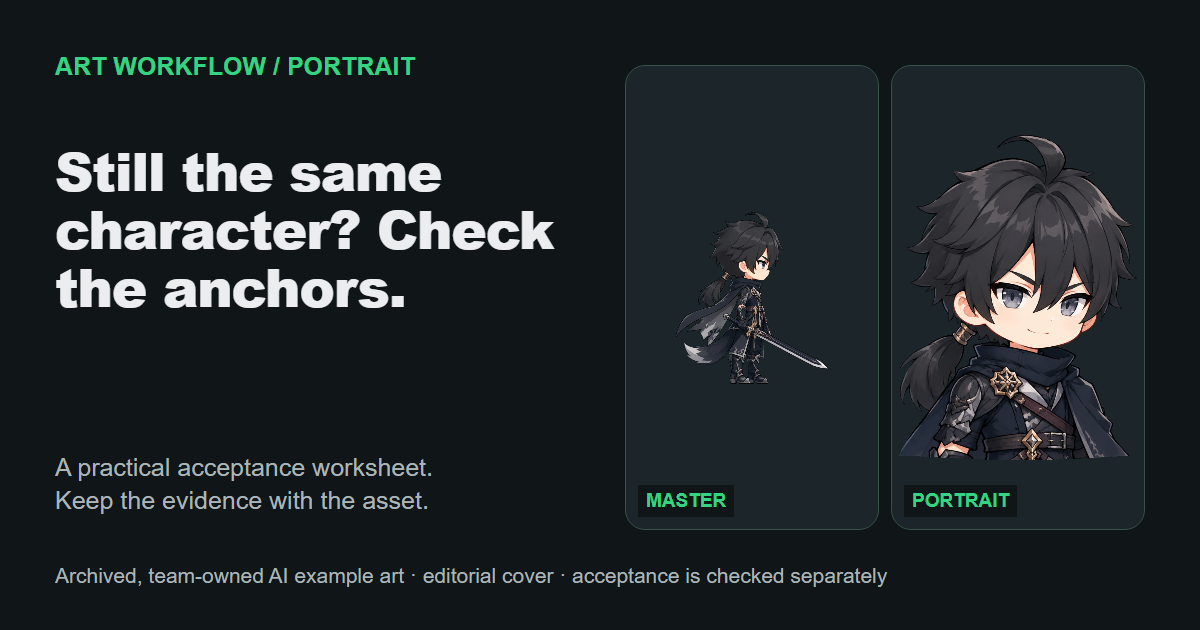
Accept a dialogue portrait when its visible identity anchors agree with the full-body master and any differences fit the intended expression, camera or crop. Revise it when it changes a defining feature. Mark a feature unknown when the master is too small, turned away or covered to support a comparison.
This is a manual review of one derivative portrait against one master image. It is not face recognition, an identity score or evidence of a model's consistency rate. The full-body-to-portrait workflow guide uses a supplied master, one portrait at a time and a side-by-side comparison. Shared source lineage helps organize the review; it does not guarantee a visual match.
Key Takeaways
- Compare details visible in both images before judging newly exposed detail.
- Use a matched head size for identity checks and the intended display size for readability.
- Separate expression and cropping changes from costume or identity redesign.
- Record the master, derivative and unresolved features with each decision.

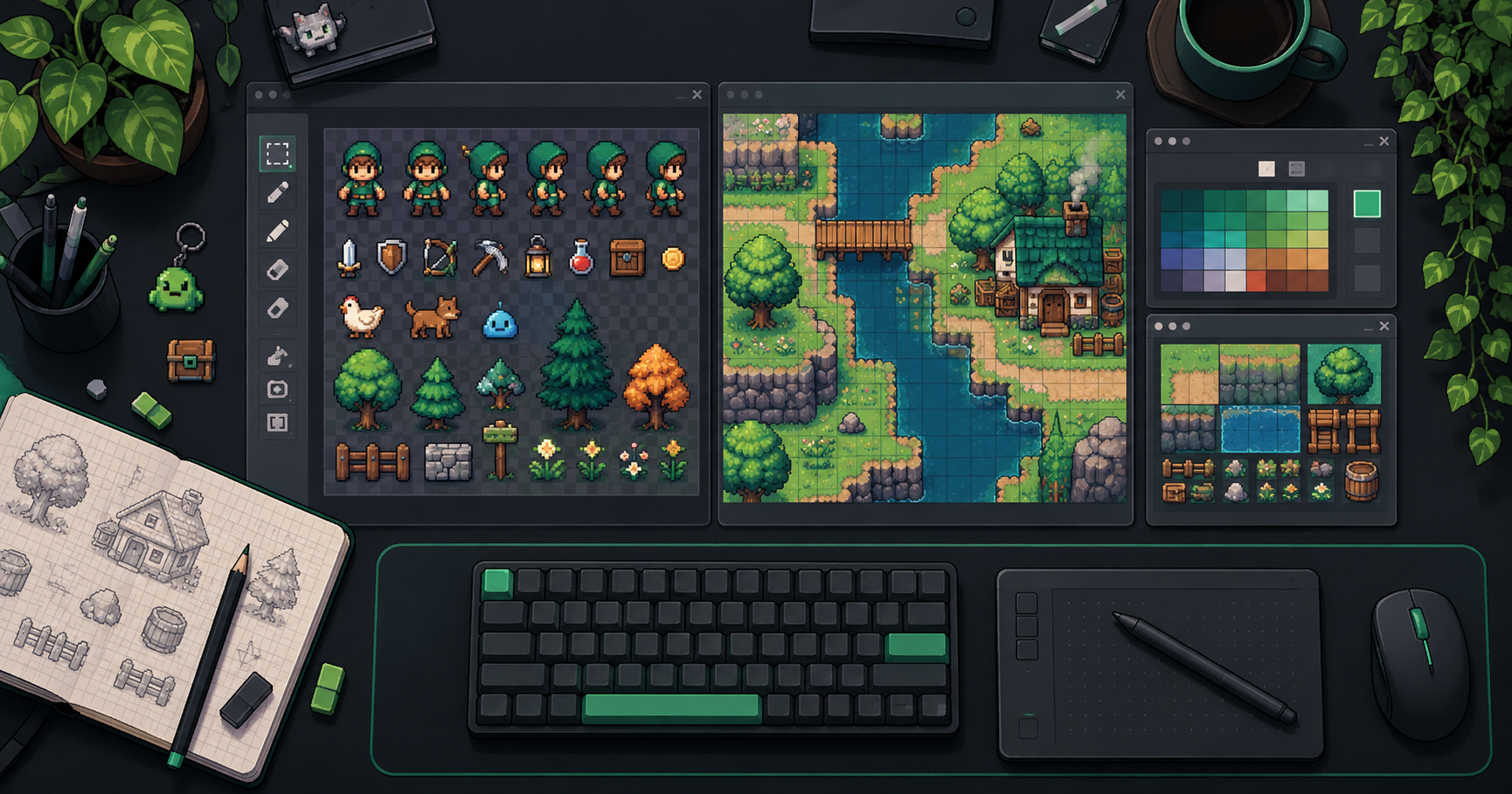
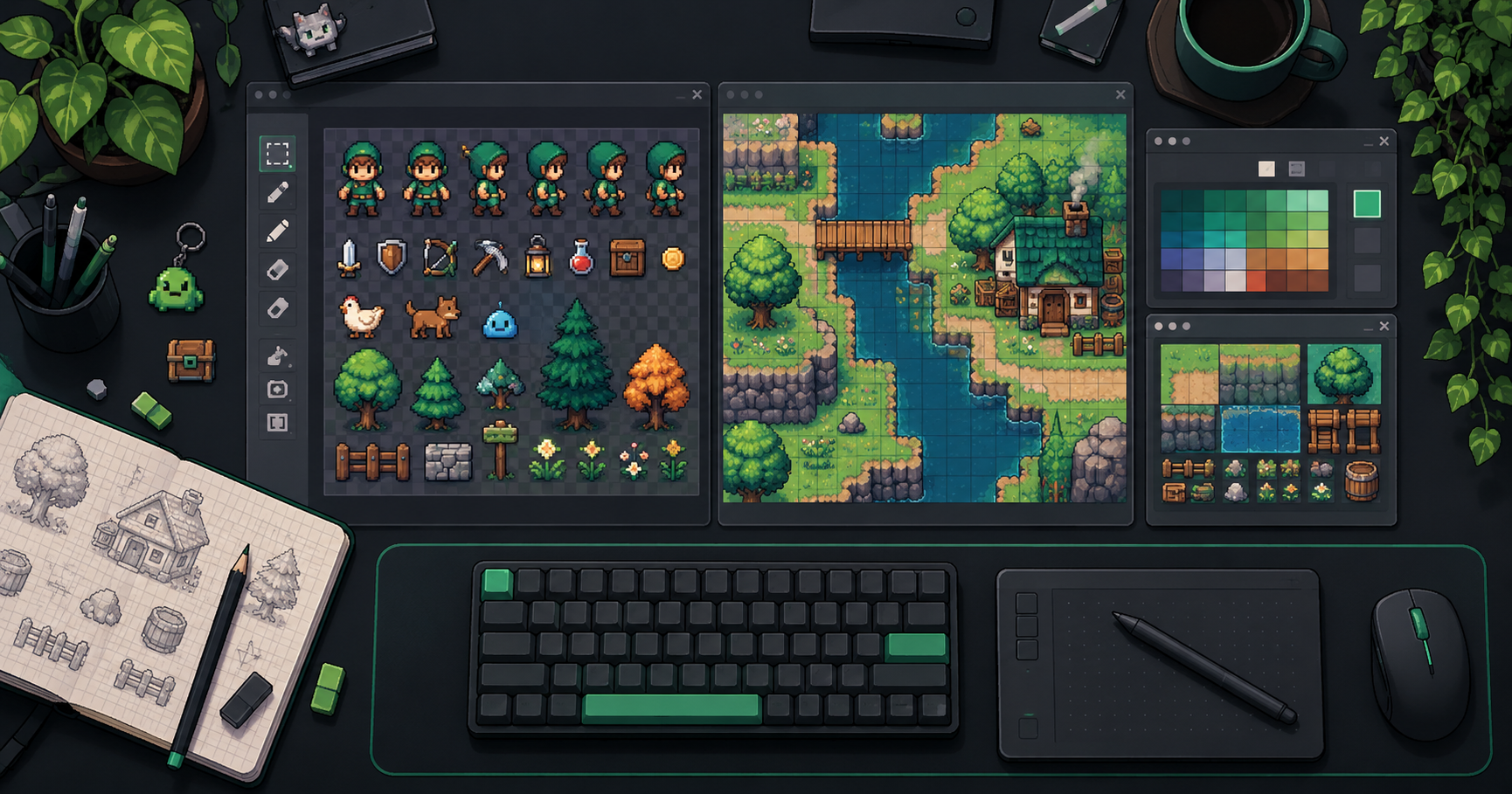
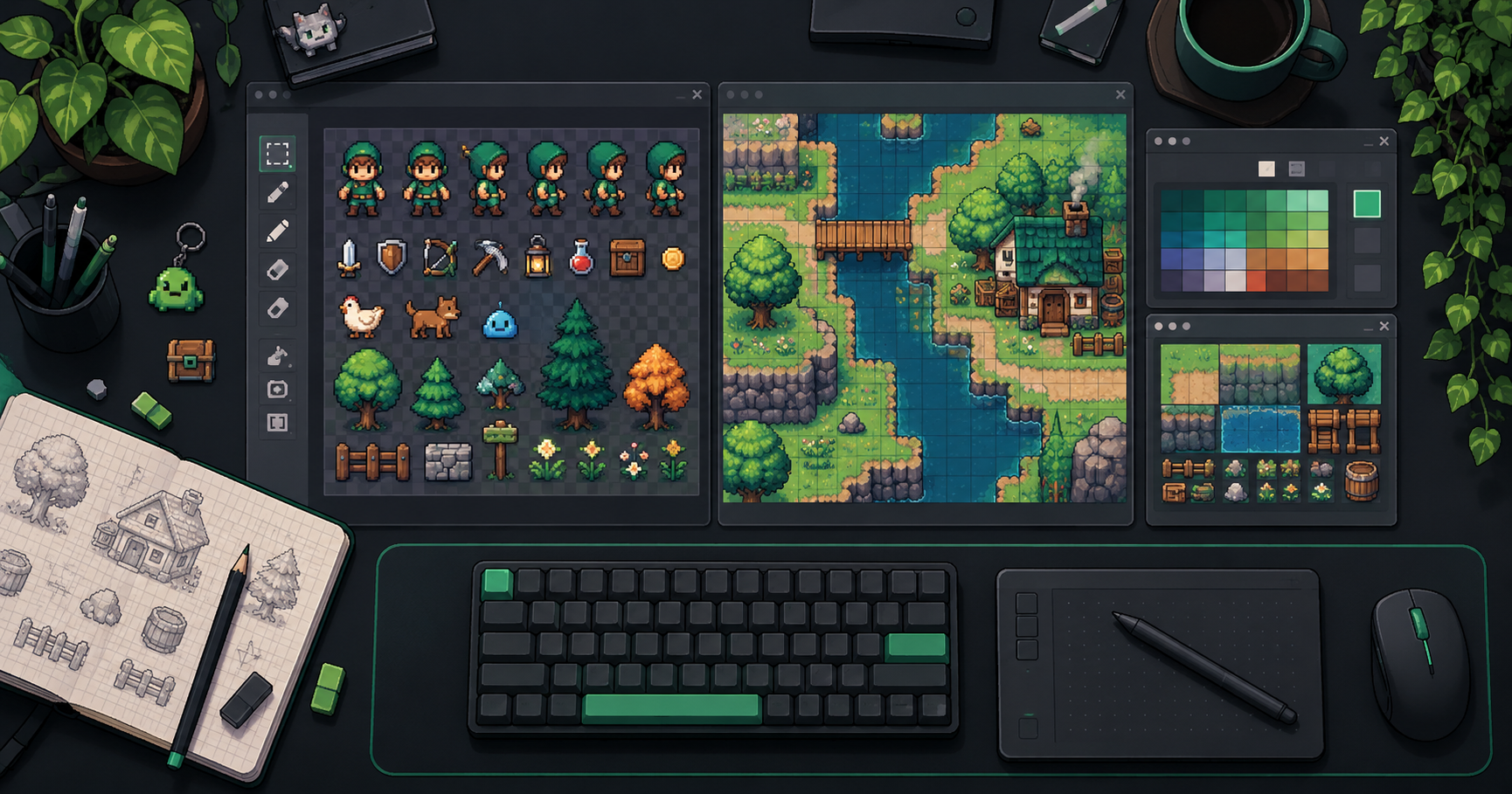
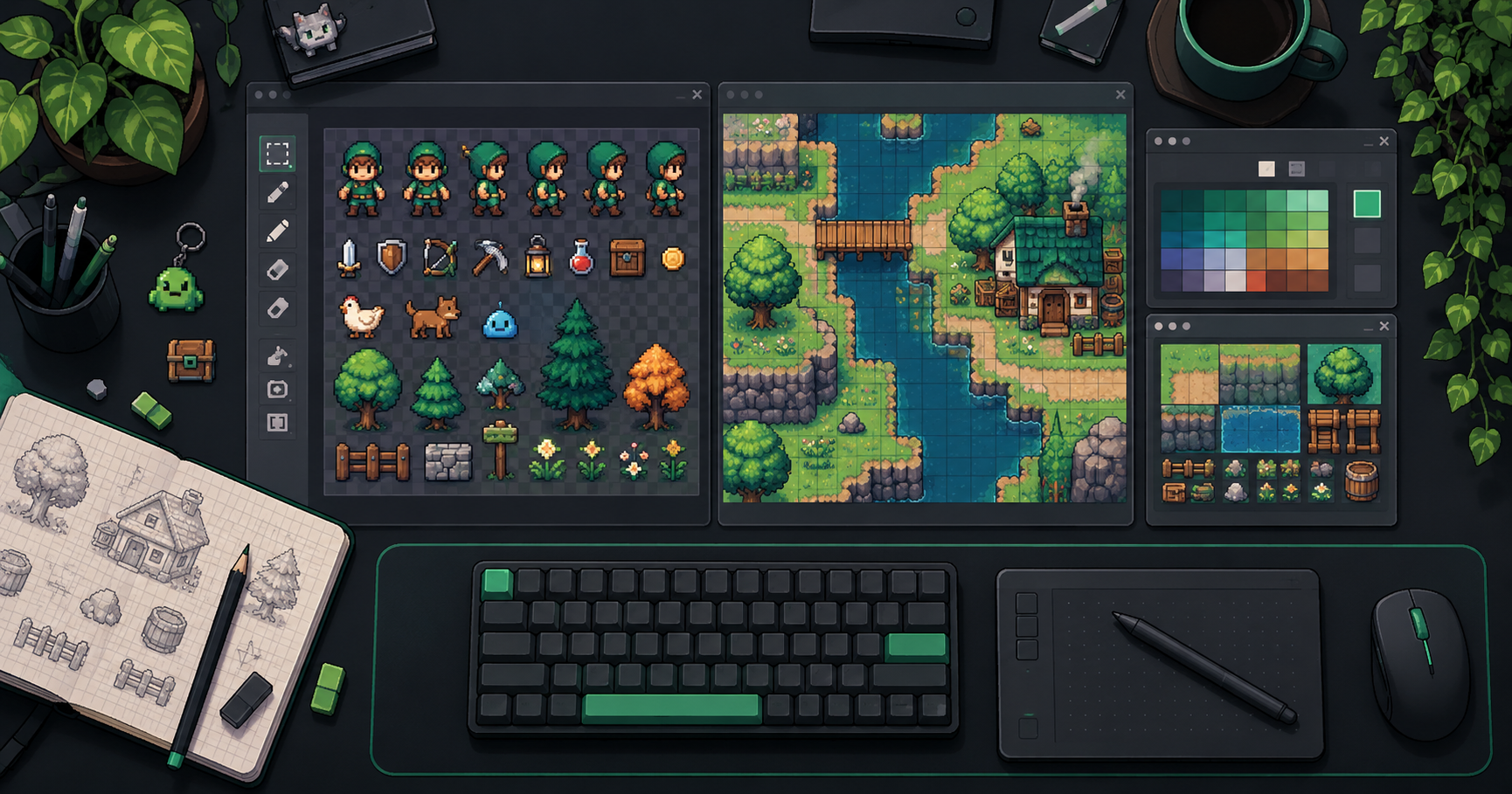
This owned reference-contract diagram explains how to keep requirements explicit. It does not depict the character pair discussed below or prove a portrait match.
Start with identity anchors visible in both images
Choose anchors from the master before inspecting the portrait in detail. This gives the comparison a stable basis and reduces the temptation to accept an attractive redesign. The character consistency guide recommends visible identity anchors tied to the same master, separate from changing actions and emotions.
Useful anchors include the hair silhouette, fringe shape, ponytail position, eye appearance when readable, collar shape, clothing color relationships and a distinctive accessory. Select what distinguishes this particular character. "Dark clothes" is weaker than a specific high collar paired with a particular shoulder ornament.
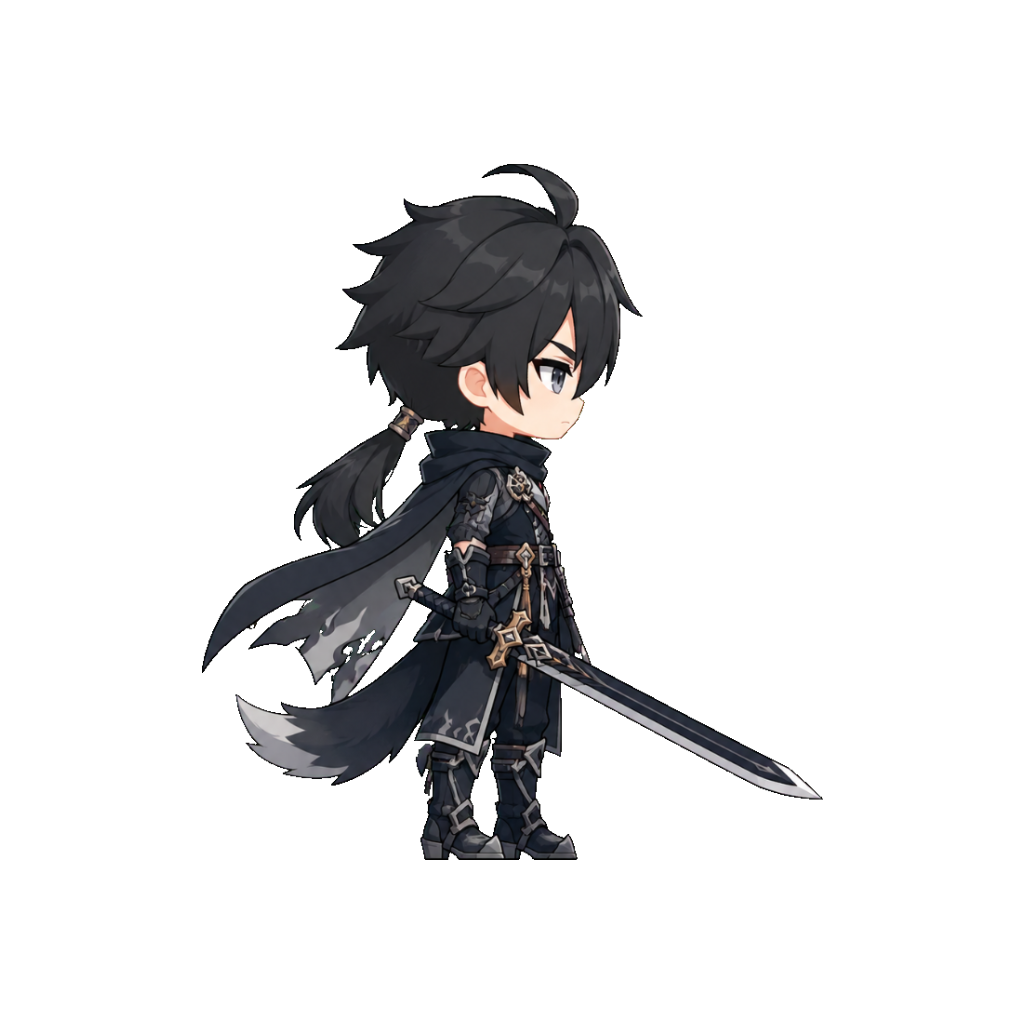
A historical saved pair illustrates the limits of this method. The master shows a black-haired swordsman in dark clothing, viewed from the side at full-body scale. The saved portrait shows a near-frontal upper-body crop with a ponytail, dark clothing and related costume ornaments. Both images were retained from an earlier workflow; they are not fresh outputs for this article.
| Archived full-body master | Archived derivative portrait |
|---|---|
 |
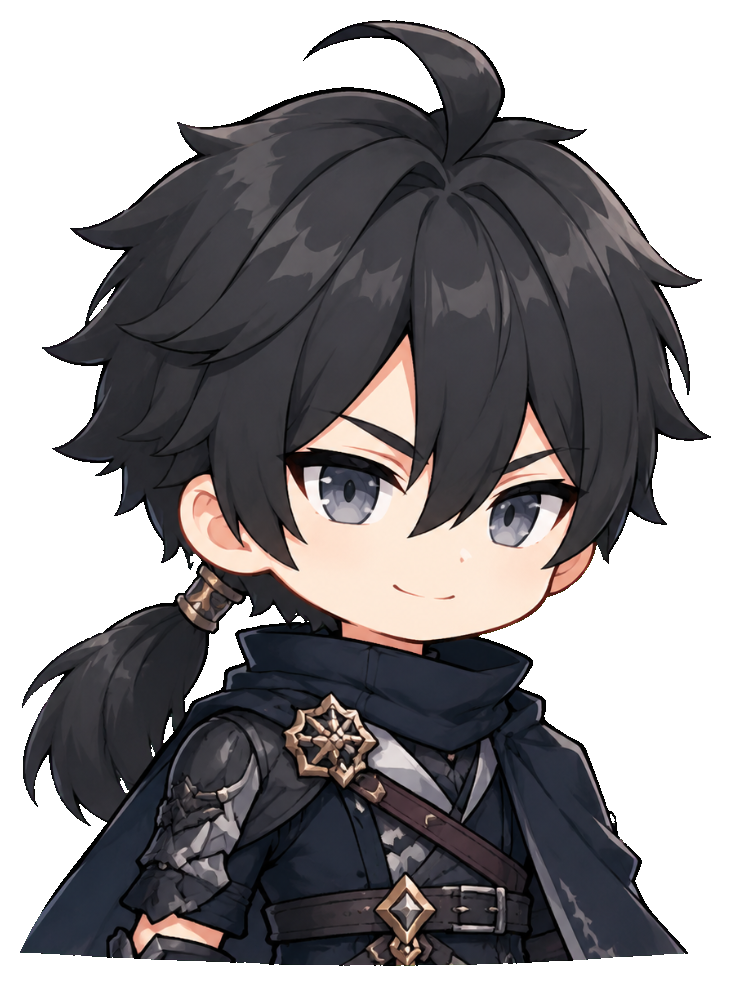 |
Owned saved demonstration pair from 2026-10-04. These are the retained master and derivative, shown without a new generation. The different view and small master face limit which anchors can be checked; the pair does not establish perfect identity or a passed dialogue-interface test.
Those images provide shared hair, palette and costume cues. The master face occupies much less of its image and exposes a different view. Fine face geometry and newly visible facial detail therefore remain harder to verify. The record supports a bounded comparison, not a claim of perfect identity.
Match viewing sizes without distorting the character
Compare the head regions at roughly the same displayed height to inspect identity, then view the portrait at its planned dialogue size to inspect readability. These are different checks. A large portrait can reveal errors that disappear in a small panel, while a detailed portrait can become unclear when reduced.
Crop a viewing copy around the master's head and shoulders. Scale the viewing copies proportionally; do not stretch width or height to make the faces line up. Enlarging the master helps inspection but adds no missing source detail. A blurred eye stays uncertain even when it fills the screen.
Keep the uncropped master available. It provides context for a collar, hair tie or shoulder accessory that a tight face crop might remove. Also check the portrait's full crop: the face may match while a required clasp or ponytail disappears outside the frame.
If the final dialogue panel is available, preview the portrait there. Record that as a separate display check. This article does not claim that the historical pair passed a real dialogue-interface switch or crop test.
Review hair, eyes, neckline and accessories separately
Reviewing anchors individually gives more useful feedback than "looks different." It identifies whether the next revision should preserve the face and fix a collar, or keep the costume and correct a changed hairstyle.
| Anchor | What to compare | What may remain unknown |
|---|---|---|
| Hair | Major fringe shapes, color relationships, ponytail and tie | Hidden side or back structure |
| Eyes | Visible shape and appearance at readable scale | Fine iris detail absent from the small master |
| Neckline | Collar height, scarf shape and clothing layers | Structure covered by hair or a changed angle |
| Accessories | Distinctive ornament, strap and visible placement | Covered attachments or unseen opposite-side details |
| Palette | Relative dark, light and accent color relationships | Exact color values without a separate color specification |
For the historical swordsman, a sensible review would compare the ponytail and its tie, the swept fringe, the high dark neckline and the visible shoulder decoration. It would avoid asserting that every facial detail is unchanged. A near-frontal portrait reveals information that a small side-view master cannot fully constrain.
Write the correction as an observable requirement. "Restore the master's high collar" is actionable. "Make the character more consistent" leaves the editor to guess which feature caused the rejection. The prompt examples guide provides a related method: define the deliverable in visible terms and change one field at a time.
Distinguish an expression change from a redesign
Judge differences against the requested derivative. A smile, raised brow or new crop may be intentional. A replacement hair ornament, different neckline or altered hair construction needs separate approval even if it improves the picture.
Camera changes also affect appearance. A side view and a near-frontal view expose different portions of the face and costume. Do not demand identical outlines where the view necessarily changes them. Instead, ask whether the visible structure remains compatible with the master, and mark the newly revealed regions as unresolved when no other approved reference exists.
Use these decisions consistently:
- Accept: visible anchors match closely enough for the declared portrait use; allowed expression and crop changes are documented.
- Revise: a visible anchor conflicts with the master or a required detail is cropped out.
- Unknown: the source cannot resolve a material feature; obtain another approved reference or a design decision.
Unknown does not mean defective. It means the review lacks evidence. If a newly exposed facial detail matters to the production, ask the design owner to approve it before treating this portrait as another master.
Keep lineage with the single-portrait decision
Record which master produced which derivative, but keep that record separate from the visual verdict. A filename, shared prompt or source identifier establishes a relationship between files. It does not prove that their visible details match.
Use a review record like this:
Master file / version:
Portrait file / version:
Requested derivative: crop, camera, expression
Identity anchors selected before comparison:
Matched-size head comparison completed: yes / no
Intended display-size check: passed / revise / not performed
Hair:
Eyes, including limits of master detail:
Neckline and clothing layers:
Accessories and visible placement:
Allowed expression or camera differences:
Unverifiable regions:
Decision: accept / revise / unknown
Required correction or design approval:
Reviewer and date:
Review a corrected portrait as a new derivative version. Preserve the previous decision so a later change does not inherit an approval it never received. When the shared anchors match and unresolved regions have an explicit disposition, the portrait has a clear acceptance basis for its intended use. That basis is more useful than an unsupported claim that it is "the same character."
Author and disclosure: FrameSprite Workflow Team maintains these workflow notes. The team is affiliated with the product and owns the product sources and diagram linked here; these are not independent product evaluations. This draft was prepared with AI writing assistance. Send corrections through the contact page.
About the author
- We operate FrameSprite, a browser tool for indie game asset workflows. We publish practical sprite-sheet and animation export guides with downloadable examples, verification methods, and explicit limitations. Editorial ownership and corrections: https://www.framesprite.com/about#workflow-team. Contact: https://www.framesprite.com/contact.
Comments
Join the discussionNo comments yet. Be the first to comment.